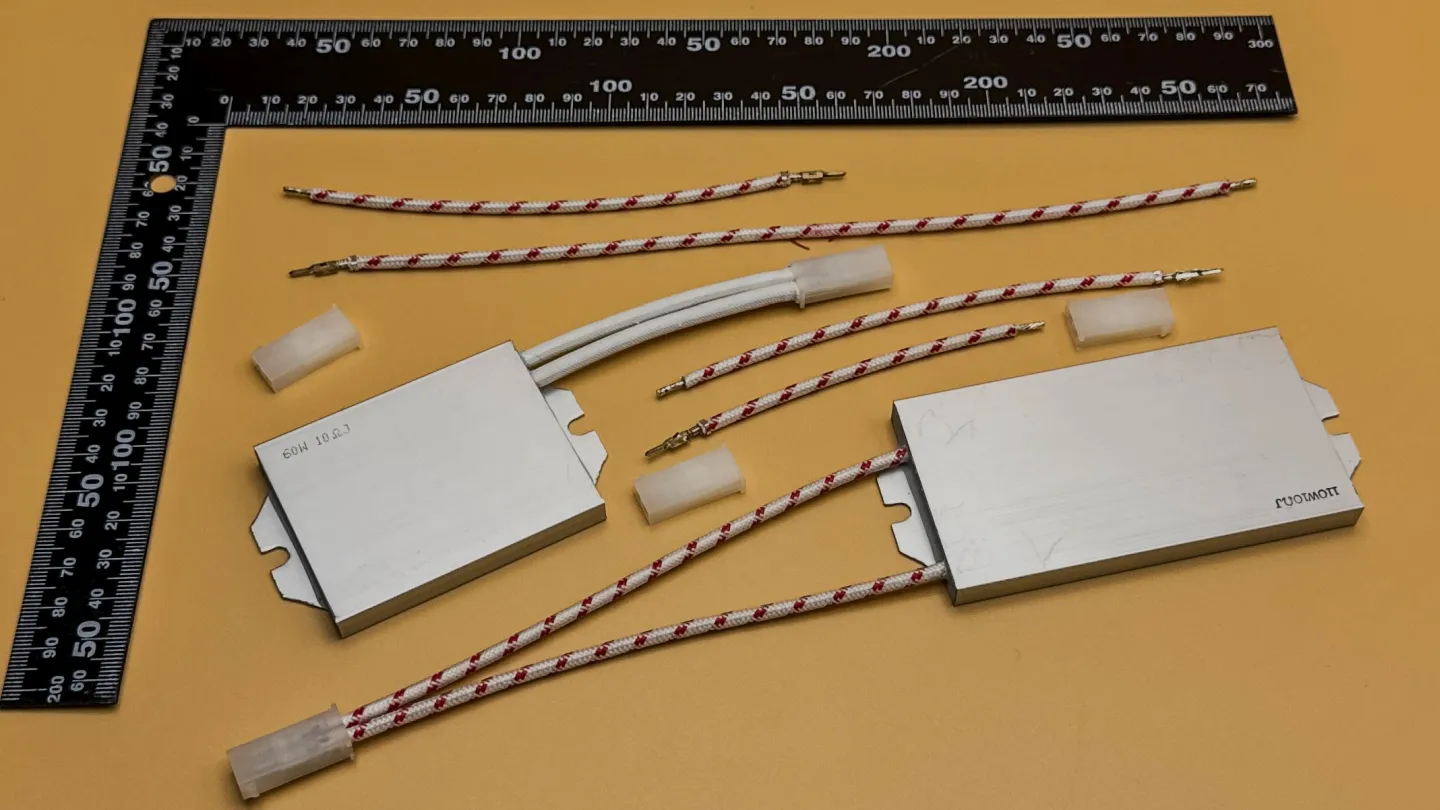
High-Performance Aluminum Housed Power Resistors for AI Server Applications
A high-temperature power resistor cable assembly for AI server applications, featuring Molex Mini-Fit Jr. connector integration, TGGT-400 high-temperature wire, aluminum housed resistor assembly, crimp quality control, resistor testing, and production ramp-up support.
High-Performance Aluminum Housed Power Resistors for AI Server Applications is a custom resistor cable assembly developed for high-temperature and high-reliability power-related applications. The assembly combines a Molex Mini-Fit Jr. plug housing, TGGT-400 1.25SQMM high-temperature wire, aluminum housed resistors, crimp terminal control, resistor testing, continuity testing, insulation resistance testing, and individual packaging protection.
This product demonstrates how Starway Technology supports prototype-to-production ramp-up for custom wire harness and electrical component assembly projects. The project began with lower customer demand and later moved toward higher-volume production after the customer's production capacity increased and Starway adjusted the manufacturing flow to support repeatable output.
Official ILA Berlin 2026 Product Listing
This product is also featured in the official ILA Berlin digital product guide as High-Performance Aluminum Housed Power Resistors for AI Server Applications . This external product listing helps connect Starway Technology's custom power resistor assembly capability with ILA Berlin 2026 aerospace, electronics, and advanced computing industry visibility.
Technical Summary
Starway Technology manufactures high-temperature power resistor cable assemblies for AI server and high-reliability electronic equipment applications. This product uses a Molex Mini-Fit Jr. plug housing, dual row, 2 circuits, UL 94V-2, natural color, without panel mounting ears, with customer-specified part number 39-01-2023.
The resistor side uses aluminum housed resistors with aluminum extrusion to improve heat dissipation. Because power resistors may generate high temperature during operation, the cable uses TGGT-400 1.25SQMM high-temperature wire, rated for 400°C and 600V AC. The conductor uses nickel-tin alloy plated copper with a stranded diameter of 1.50mm, protected by three fiberglass layers, resulting in an overall outer diameter of approximately 3.00mm.
The crimping process is a critical control point because poor crimping may local heating and increase the risk of connector damage. For this project, the conductor compression ratio was defined at 80–90%, and metallographic cross-section review was used to help verify terminal crimp quality before production ramp-up.
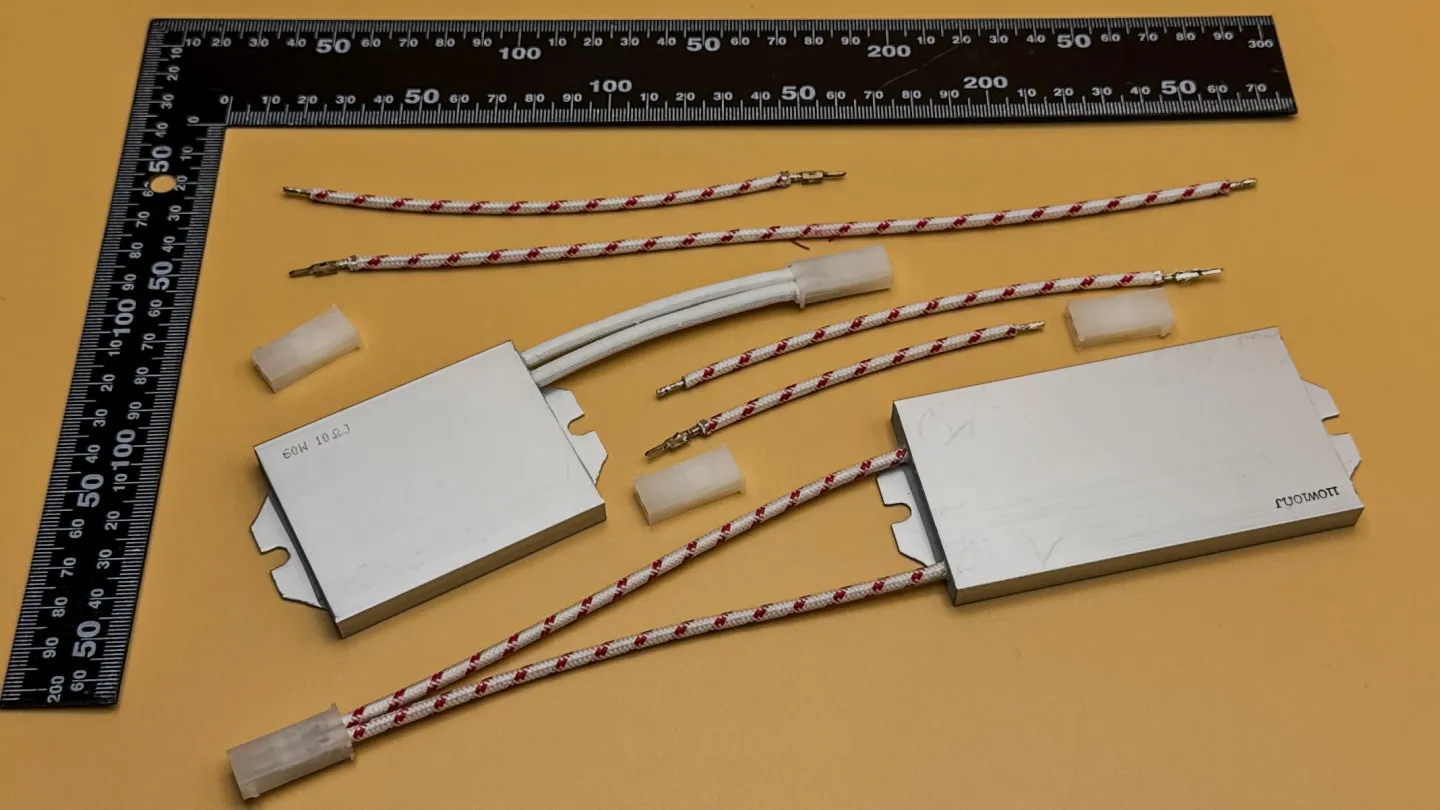
Finished high-performance aluminum housed power resistor cable assembly for AI server and high-temperature electronic applications.
Product Design and Manufacturing Focus
AI server applications may require power-related components that can tolerate heat, maintain stable electrical connection, and support reliable assembly under demanding operating conditions. For this product, the design focus includes aluminum housing heat dissipation, high-temperature wire selection, Molex Mini-Fit Jr. connector integration, crimp quality control, resistor testing, insulation resistance testing, and production repeatability.
Starway Technology Co., Ltd. supports this type of custom assembly through customer drawing review, connector drawing reference review, wire specification review, crimp process definition, metallographic crimp verification, resistor assembly, electrical testing, packaging protection, and production ramp-up adjustment based on customer demand.
Molex Mini-Fit Jr. Connector
One end uses a Molex Mini-Fit Jr. plug housing, dual row, 2 circuits, UL 94V-2, without panel mounting ears, natural color.
Aluminum Housed Resistor
The resistor side uses aluminum extrusion housing to improve heat dissipation for high-temperature operating environments.
TGGT-400 High-Temperature Wire
TGGT-400 1.25SQMM wire is selected for 400°C and 600V AC high-temperature performance requirements.
Key Product Specifications
- Application
- AI server applications, high-temperature electronic systems, power resistor assemblies, thermal-load equipment, and high-reliability electrical component assemblies.
- Connector End
- Molex Mini-Fit Jr. plug housing, dual row, 2 circuits, UL 94V-2, without panel mounting ears, natural color, customer-specified part number 39-01-2023.
- Connector Drawing Reference
- Molex Mini-Fit Jr. plug housing drawing reference: Molex Mini-Fit Jr. sales drawing . Final part number and approved BOM should be confirmed before production release.
- Resistor Side
- Aluminum housed power resistor using aluminum extrusion to support heat dissipation and mechanical protection.
- Wire Specification
- TGGT-400 1.25SQMM high-temperature wire, rated for 400°C and 600V AC, with nickel-tin alloy plated copper conductor and triple fiberglass protection.
- Production Ramp-Up
- The project started with lower demand and later moved toward higher-volume production after the customer's capacity increased and Starway adjusted the production line accordingly.
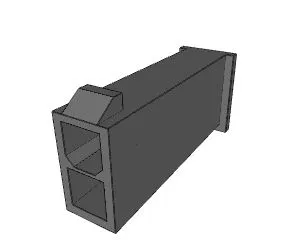
Molex Mini-Fit Jr. plug housing connector side used for the aluminum housed power resistor cable assembly.
Molex Mini-Fit Jr. Connector Side
The connector side uses a Molex Mini-Fit Jr. plug housing, dual row, 2 circuits, UL 94V-2, without panel mounting ears, natural color. This connector interface is used as the harness connection point for the aluminum housed resistor assembly.
During manufacturing, the connector, terminals, wire gauge, crimp condition, conductor compression, housing insertion, contact retention, and final mating-related requirements are reviewed based on customer drawings, connector specifications, and approved production documents.
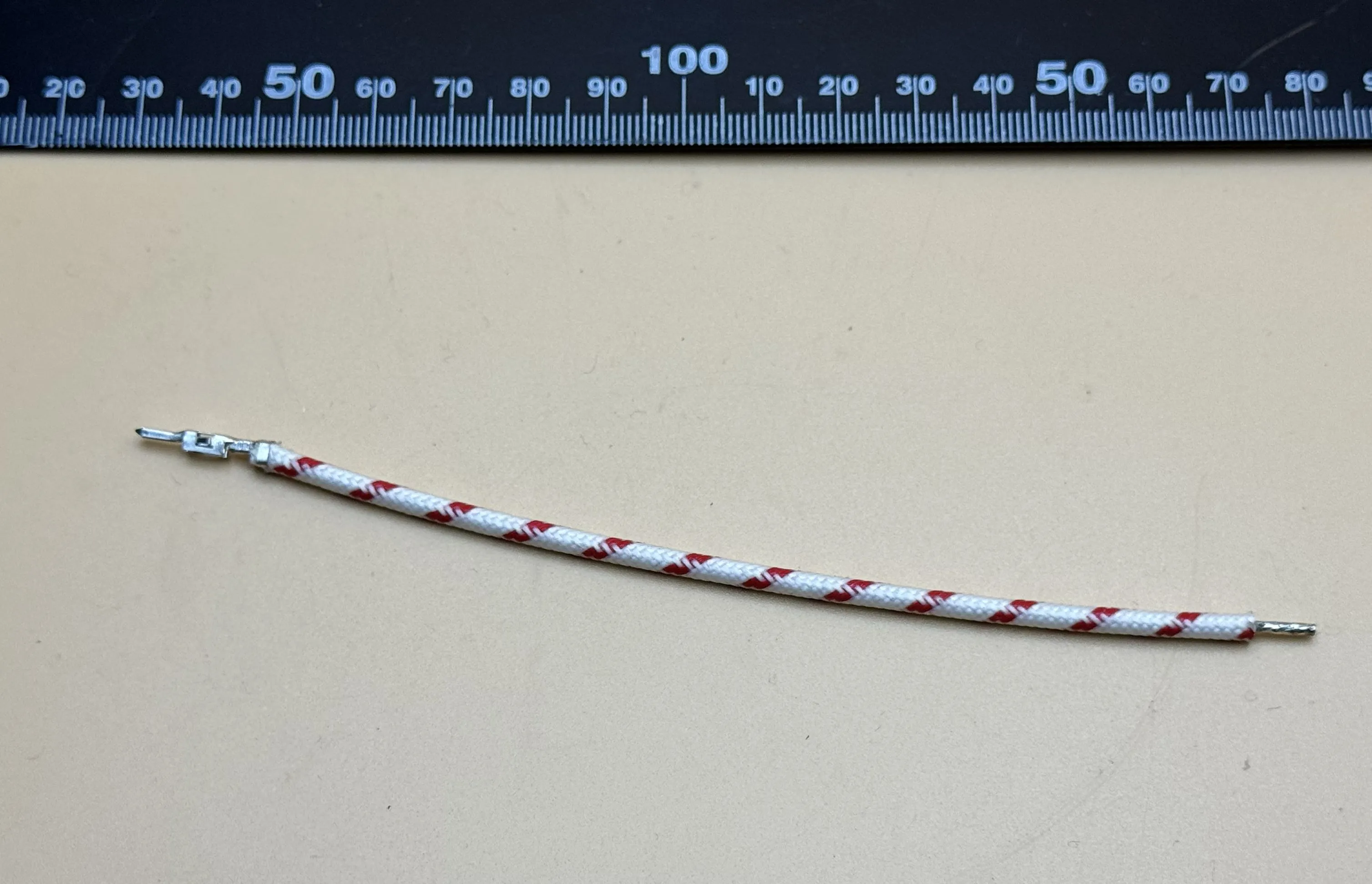
Crimped high-temperature wire terminal with conductor compression control for heat-risk reduction.
Crimp Terminal Quality and Heat Risk Control
Terminal crimping is one of the most critical process points in this product. If the terminal is not crimped correctly, local resistance may increase, which can localized heating and raise the risk of connector damage or burning under load.
To reduce this risk, the crimping process was developed with reference to crimp workmanship principles. The conductor compression ratio was defined at 80–90%, and metallographic cross-section review was used to help verify that the crimped terminal structure meets the intended process quality.
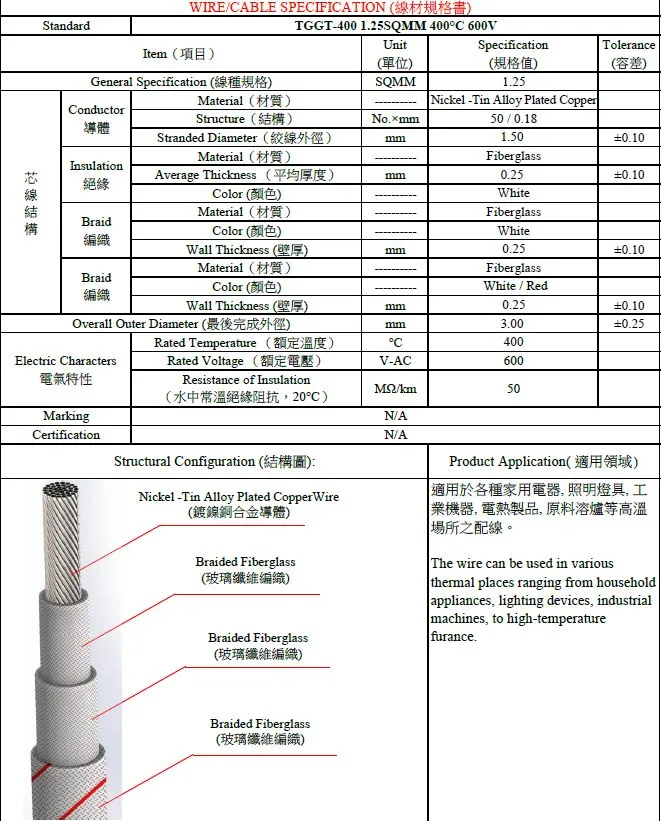
TGGT-400 1.25SQMM high-temperature wire specification reference for 400°C and 600V AC applications.
TGGT-400 High-Temperature Wire Selection
Because the aluminum housed resistor may generate high temperature during operation, wire selection is an important design and manufacturing decision. This product uses TGGT-400 1.25SQMM high-temperature wire, which is suitable for high-temperature environments and is rated for 400°C and 600V AC.
The conductor uses nickel-tin alloy plated copper with a stranded diameter of approximately 1.50mm. The conductor is protected by three fiberglass layers: an inner white insulation layer, a middle white braided layer, and an outer white/red braided layer. The finished wire outer diameter is approximately 3.00mm.
From Low-Volume Demand to Production Ramp-Up
This product is suitable for the Prototyping & Low-Volume category because the project started with lower customer demand and later increased as the customer's production capacity expanded. Starway Technology supported the transition by adjusting the production line, refining crimping control, stabilizing electrical testing, and preparing repeatable assembly steps for higher-volume output.
OEM Manufacturing Process Flow
IPC-based workmanship thinking is closely related to the three practical quality principles: Function, Fit, and Form. For an AI server aluminum housed power resistor assembly, this means the product must perform electrically, fit the connector and resistor structure correctly, and maintain acceptable workmanship appearance after assembly.
The following OEM process flow shows how Starway Technology controls key manufacturing steps for this aluminum housed power resistor assembly, from wire preparation and crimping to resistor testing, aluminum housing assembly, electrical testing, packaging, and shipment.
Wire Cutting
TGGT-400 high-temperature wires are cut according to customer drawings, production dimensions, connector requirements, and resistor assembly allowance.
IPC/WHMA-A-620 Chapter 3Insulation Stripping
High-temperature wire insulation is stripped while checking exposed conductor length, fiberglass layer condition, and possible conductor damage.
IPC/WHMA-A-620 Chapter 3Terminal Crimping
Terminals are crimped with attention to conductor placement, insulation support, crimp appearance, and heat-risk-related connection quality.
IPC/WHMA-A-620 Chapter 3Crimp Compression Verification
The conductor compression ratio is controlled at 80–90%, with metallographic cross-section review used to verify crimp structure quality.
Crimp Quality ControlResistor Soldering
The resistor side is soldered according to the approved assembly requirement while controlling solder condition and thermal-load-related workmanship.
IPC/WHMA-A-620 Chapter 3Resistor and Harness Test
Resistor testing and harness testing are performed to confirm resistance-related performance and wire assembly correctness before final assembly.
Electrical VerificationAluminum Housing Assembly
The aluminum housing and resistor are assembled to support heat dissipation, mechanical protection, and final product structure.
Assembly ControlContinuity and Contact Test
Continuity and contact testing are performed to verify wiring path, contact condition, and basic electrical connection.
Electrical VerificationInsulation Resistance Test
Insulation resistance testing is performed to verify circuit separation and insulation performance according to project requirements.
Final Electrical TestIndividual Packaging
Finished products are individually packaged to reduce collision, scratching, deformation, and handling damage during storage and shipment.
Product ProtectionProduction Ramp-Up
When customer demand increases, production flow and line arrangement are adjusted to support repeatable higher-volume manufacturing.
Ramp-Up SupportShipment
Completed products are released for shipment after final inspection, electrical verification, packaging check, and production record review.
Shipment ControlIncoming Material Inspection Before Production
Incoming material inspection confirms that the required connector housing, terminals, high-temperature wire, aluminum housed resistors, aluminum extrusion parts, soldering materials, and production documents are suitable before production begins.
- Molex Mini-Fit Jr. Connector
- Connector series, circuit size, housing material, part number, mating interface, terminal compatibility, and customer-approved BOM are reviewed before assembly.
- TGGT-400 High-Temperature Wire
- Wire size, conductor condition, fiberglass insulation layers, rated temperature, rated voltage, outer diameter, and project-specific wire requirements are checked before processing.
- Crimp Terminals
- Terminal part number, plating condition, conductor compatibility, insulation support area, surface condition, and packaging condition are reviewed before crimping.
- Aluminum Housed Resistors
- Resistor housing condition, aluminum extrusion surface, resistance requirement, soldering area, assembly compatibility, and heat dissipation-related structure are reviewed.
- Testing and Inspection Requirements
- Resistance testing, harness testing, continuity testing, contact verification, insulation resistance testing, and final inspection requirements are confirmed before production release.
- BOM, Drawing, and Revision Review
- Customer name, project name, product name, drawing number, revision level, BOM details, connector part number, wire specification, resistor requirement, and production notes are reviewed before release.
Key Process Control Points During Manufacturing
For aluminum housed power resistor assemblies, process control must cover both thermal and electrical reliability. Wire selection, crimp compression, resistor soldering, aluminum housing assembly, and final testing all influence the finished product's suitability for high-temperature applications.
- High-Temperature Wire Preparation
- Cutting length, insulation stripping, fiberglass layer condition, conductor exposure, and preparation consistency are controlled before crimping or soldering.
- Crimp Compression Control
- The conductor compression ratio is defined at 80–90% to support crimp reliability and reduce local heating risk at the connector interface.
- Metallographic Crimp Review
- Metallographic cross-section review is used as a process verification method to confirm conductor compression and terminal crimp structure quality.
- Resistor Soldering and Testing
- Resistor soldering, resistance value verification, harness testing, and related electrical checks are performed before final assembly.
- Aluminum Housing Assembly
- Aluminum extrusion housing and resistor assembly are checked for fit, heat dissipation support, mechanical protection, and finished product condition.
- Electrical Testing and Final Release
- Continuity testing, contact verification, insulation resistance testing, visual inspection, individual packaging, and production records are reviewed before shipment.
Common Manufacturing Risks for High-Temperature Power Resistor Assemblies
Local Heating from Poor Crimping
If terminal crimping is unstable, local resistance may increase and heat concentration, which can damage the connector or reduce product reliability.
Incorrect Wire Temperature Rating
Standard wire may not be suitable near high-temperature resistors, so high-temperature wire selection must match the thermal environment.
Insufficient Heat Dissipation
Aluminum housed resistors use aluminum extrusion to support heat dissipation. Poor assembly fit may reduce thermal and mechanical performance.
Packaging and Handling Damage
Aluminum housed parts and connector assemblies may be damaged by collision, so individual packaging is used to reduce handling risk.
IPC-Based Workmanship Approach
As an IPC Association member, Starway Technology applies IPC-based workmanship principles across custom wire harness and electrical assembly manufacturing, including wire cutting, insulation stripping, terminal crimping, soldering, connector assembly, electrical testing, packaging, and final inspection.
Relevant workmanship references may include IPC/WHMA-A-620 Chapter 3 for wire preparation and crimping-related workmanship, together with project-specific inspection principles for high-temperature wire handling, crimp compression verification, soldering, contact testing, and final cable assembly quality control.
These references do not replace customer drawings, Molex connector specifications, resistor manufacturer requirements, TGGT-400 wire specifications, AI server system requirements, or project-specific test criteria. Instead, they provide a workmanship framework that helps strengthen inspection awareness, production control, and technical communication between the customer and manufacturer.
Customer Value
Controlled high-temperature resistor cable assembly manufacturing helps customers reduce thermal connection risk, validate crimp quality, confirm high-temperature wire suitability, improve aluminum housed resistor assembly consistency, and support production ramp-up as customer demand increases. This approach is especially useful for AI server applications, thermal-load equipment, industrial electronics, high-power systems, and other high-reliability applications where heat, resistance, and connection stability must be carefully controlled.
Starway Technology Quality Summary
FAQ
What are High-Performance Aluminum Housed Power Resistors for AI Server Applications?
They are custom aluminum housed power resistor assemblies designed for AI server and high-temperature electronic applications, combining Molex Mini-Fit Jr. connector integration, TGGT-400 high-temperature wire, aluminum housing heat dissipation, resistor testing, and electrical verification.
Why is aluminum housing used for the resistor assembly?
Aluminum housing uses aluminum extrusion to support heat dissipation and mechanical protection, which is important because power resistors can generate high temperature during operation.
Why does this product use TGGT-400 high-temperature wire?
TGGT-400 1.25SQMM wire is selected because the resistor may reach high operating temperature. The wire is rated for 400°C and 600V AC and uses a nickel-tin alloy plated copper conductor with triple fiberglass protection.
What connector is used in this power resistor assembly?
The connector side uses a Molex Mini-Fit Jr. plug housing, dual row, 2 circuits, UL 94V-2, without panel mounting ears, natural color, with customer-specified part number 39-01-2023.
Why is crimp terminal quality important for this product?
Poor crimping may increase local resistance and localized heating, which can increase the risk of connector damage. For this project, conductor compression was controlled at 80–90%, and metallographic cross-section review was used to help verify crimp quality.
What tests are used for this aluminum housed power resistor assembly?
Testing may include resistor testing, wire harness testing, continuity testing, contact verification, insulation resistance testing, visual inspection, and final inspection before packaging and shipment.
How does Starway support production ramp-up?
The project started with lower customer demand and later moved toward higher-volume production after the customer's capacity increased. Starway supported this transition by adjusting the production line and stabilizing crimping, testing, assembly, and packaging control.
Does Starway use IPC/WHMA-A-620 for this type of assembly?
Starway applies IPC/WHMA-A-620-based workmanship thinking as a reference for wire preparation, crimping, connector processing, inspection awareness, and cable assembly quality control, together with customer drawings, connector specifications, resistor requirements, and project-specific test criteria.