Tactical Military Throat Microphone for Armored Vehicles – IPC Class 3
A tactical throat microphone assembly for armored vehicle communication applications, featuring JST SHR-05V-S connector processing, custom reinforced coaxial cable, enhanced isolation, enhanced shielding, tensile reinforcement, UV resistance, anti-allergy skin-contact protection, in-ear earphone integration, magnetic fastening, and IPC Class 3 workmanship thinking.
Tactical Military Throat Microphone for Armored Vehicles – IPC Class 3 is a custom wearable communication assembly designed for armored vehicle and tactical communication environments. The assembly combines a JST SHR-05V-S connector side, custom throat microphone module, in-ear earphone, elastic band, neodymium magnet fastener, engineering plastic parts, custom reinforced coaxial cable, and final electrical verification.
This product demonstrates how Starway Technology supports military and aerospace harness manufacturing with connector-level workmanship control, wearable audio component assembly, anti-allergy skin-contact protection, enhanced signal isolation, reinforced shielding, tensile-strength cable design, UV-resistant cable construction, continuity testing, insulation resistance testing, individual packaging protection, and traceable production records.
Official ILA Berlin 2026 Product Listing
This product is also featured in the official ILA Berlin digital product guide as Tactical Military Throat Microphone for Armored Vehicles – IPC Class 3 . This external product listing helps connect Starway Technology's custom tactical communication assembly capability with ILA Berlin 2026 aerospace and defense industry visibility.
Technical Summary
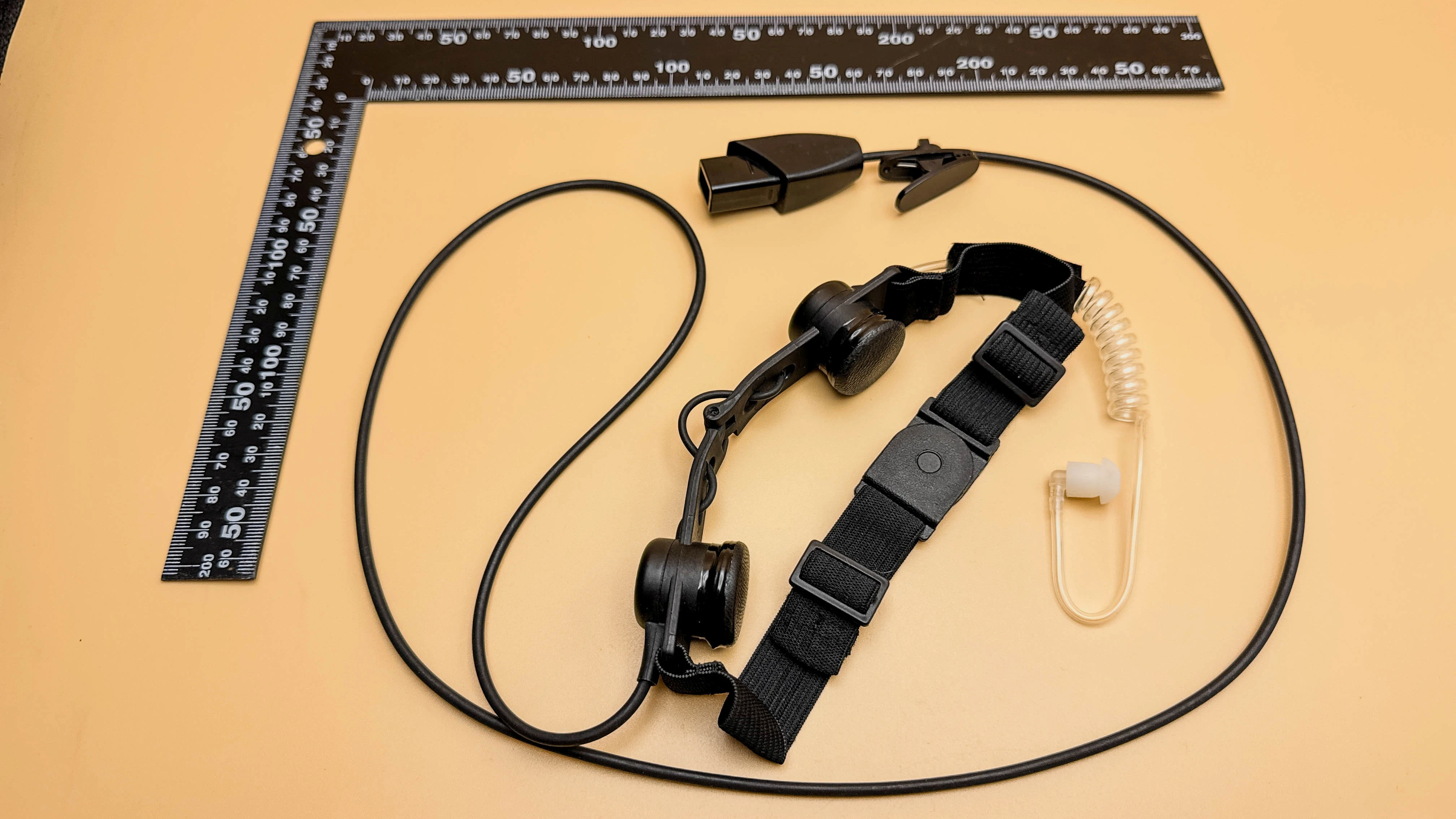
Starway Technology manufactures tactical military throat microphone assemblies for armored vehicle and high-reliability communication applications. This product uses a JST SHR-05V-S connector on one end and a custom throat microphone assembly on the opposite side, integrating a throat microphone, elastic band, in-ear earphone, neodymium magnet fastener, and engineering plastic parts.
The throat microphone contact area includes anti-allergy protection for direct skin contact. A custom reinforced coaxial cable is selected for audio signal routing to provide enhanced isolation, enhanced shielding, tensile reinforcement, UV resistance, and reduced noise or interference risk in tactical communication environments.
IPC Class 3 workmanship thinking is applied as a high-reliability manufacturing reference. The process is reviewed through the practical quality principles of Function, Fit, and Form, helping confirm communication function, connector fit, wearable assembly fit, cable durability, and finished product appearance before shipment.
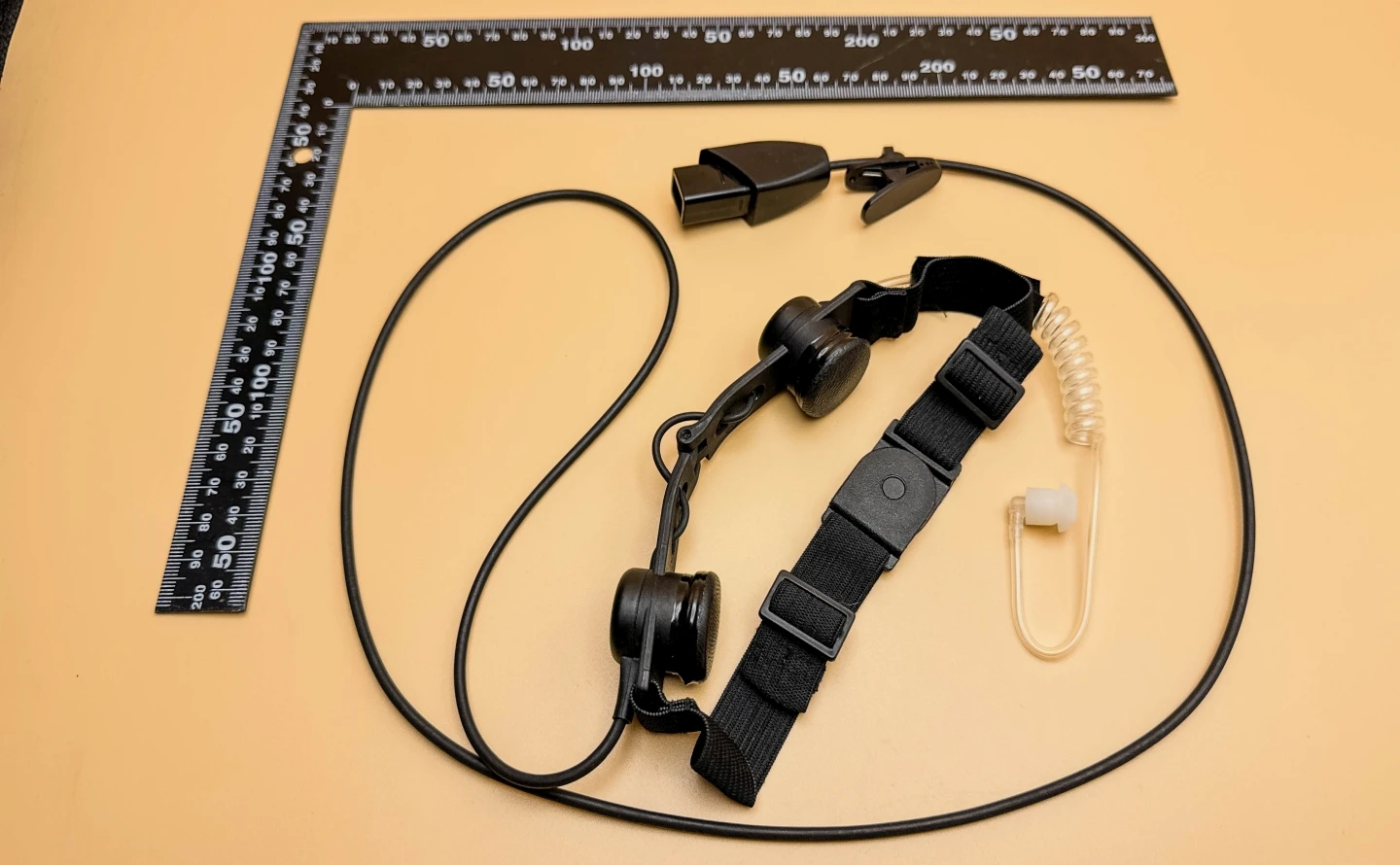
Finished tactical military throat microphone assembly for armored vehicle communication applications.
Product Design and Manufacturing Focus
Armored vehicle communication systems require stable audio signal transmission, reliable wearable fit, clear microphone pickup, noise-control wiring, compact connector integration, cable durability, and protection against handling damage. For this product, the design focus includes JST SHR-05V-S connector processing, custom coaxial cable preparation, throat microphone assembly, earphone integration, magnetic fastening, anti-allergy contact protection, and final electrical verification.
Starway Technology Co., Ltd. supports this type of tactical communication product through connector specification review, custom cable review, wire preparation, crimp terminal control, connector housing assembly, wearable component assembly, continuity testing, insulation resistance testing, individual packaging, and final inspection based on customer requirements.
JST SHR-05V-S Connector
One end uses a JST SHR-05V-S connector from the SH connector series, supporting compact wire-to-board connector integration.
Wearable Throat Microphone
The throat microphone side includes skin-contact protection, elastic band, in-ear earphone, magnetic fastener, and engineering plastic components.
Reinforced Coaxial Cable
The custom coaxial cable supports enhanced isolation, shielding, tensile reinforcement, UV resistance, and audio signal noise-control performance.
Key Product Specifications
- Application
- Tactical communication, armored vehicle communication systems, military wearable audio equipment, defense electronics, and high-reliability interconnect applications.
- Connector End
- JST SHR-05V-S connector, part of the JST SH connector series. The SH series is a compact 1.0 mm pitch crimp-style wire-to-board connector family.
- Connector Reference
- JST SH connector series reference: JST SH connector product page . Final part number, terminal, wire size, and approved BOM should be confirmed before production release.
- Throat Microphone Assembly
- Custom throat microphone module with anti-allergy protection at the skin-contact area, elastic band, in-ear earphone, neodymium magnet fastener, and engineering plastic parts.
- Custom Cable Construction
- Specially customized coaxial cable with enhanced isolation, enhanced shielding, tensile reinforcement, UV resistance, and noise-control support for audio signal transmission.
- Quality Level
- IPC Class 3 workmanship thinking is used as a high-reliability reference for process control, inspection awareness, electrical verification, and finished product review.
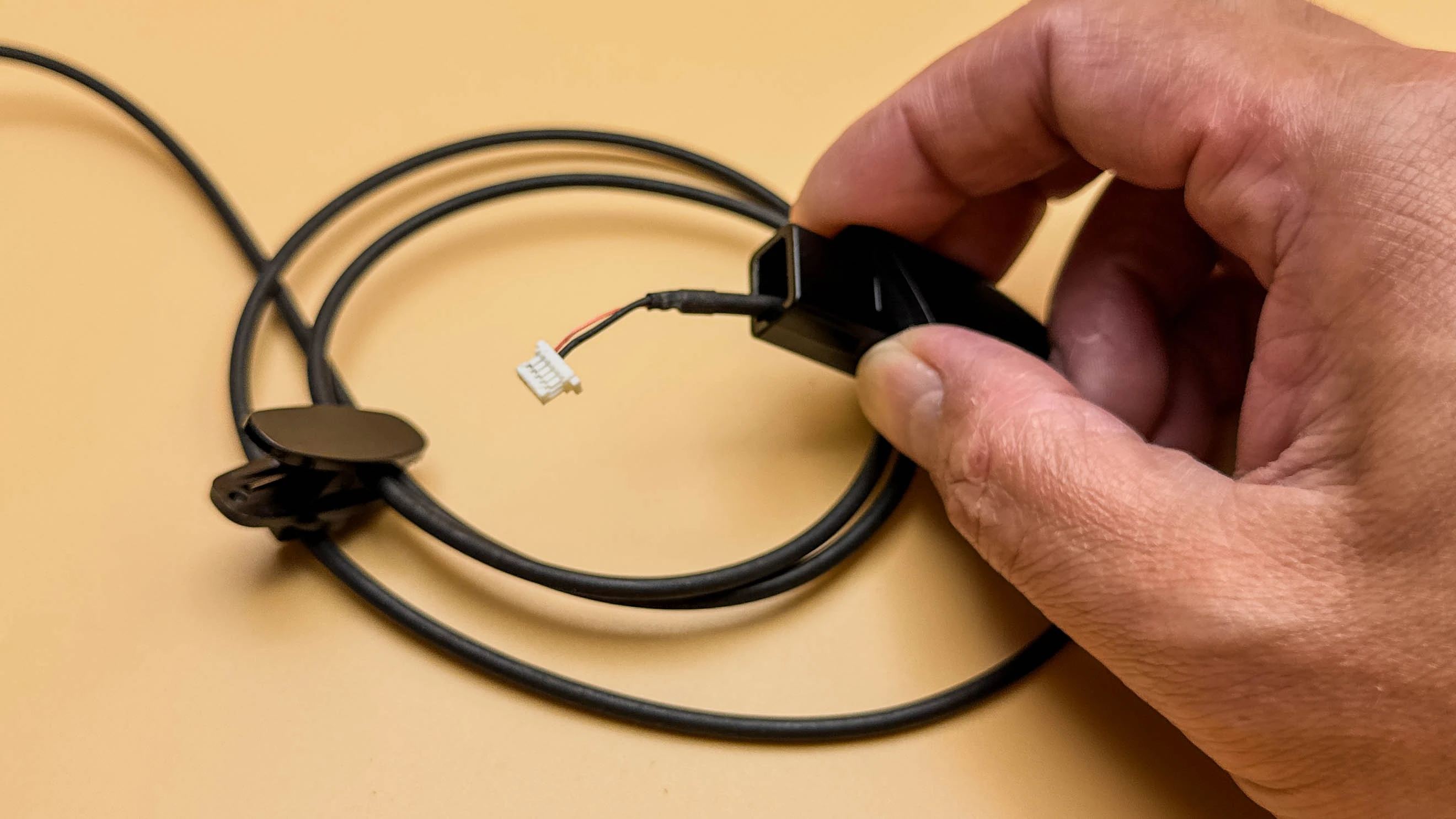
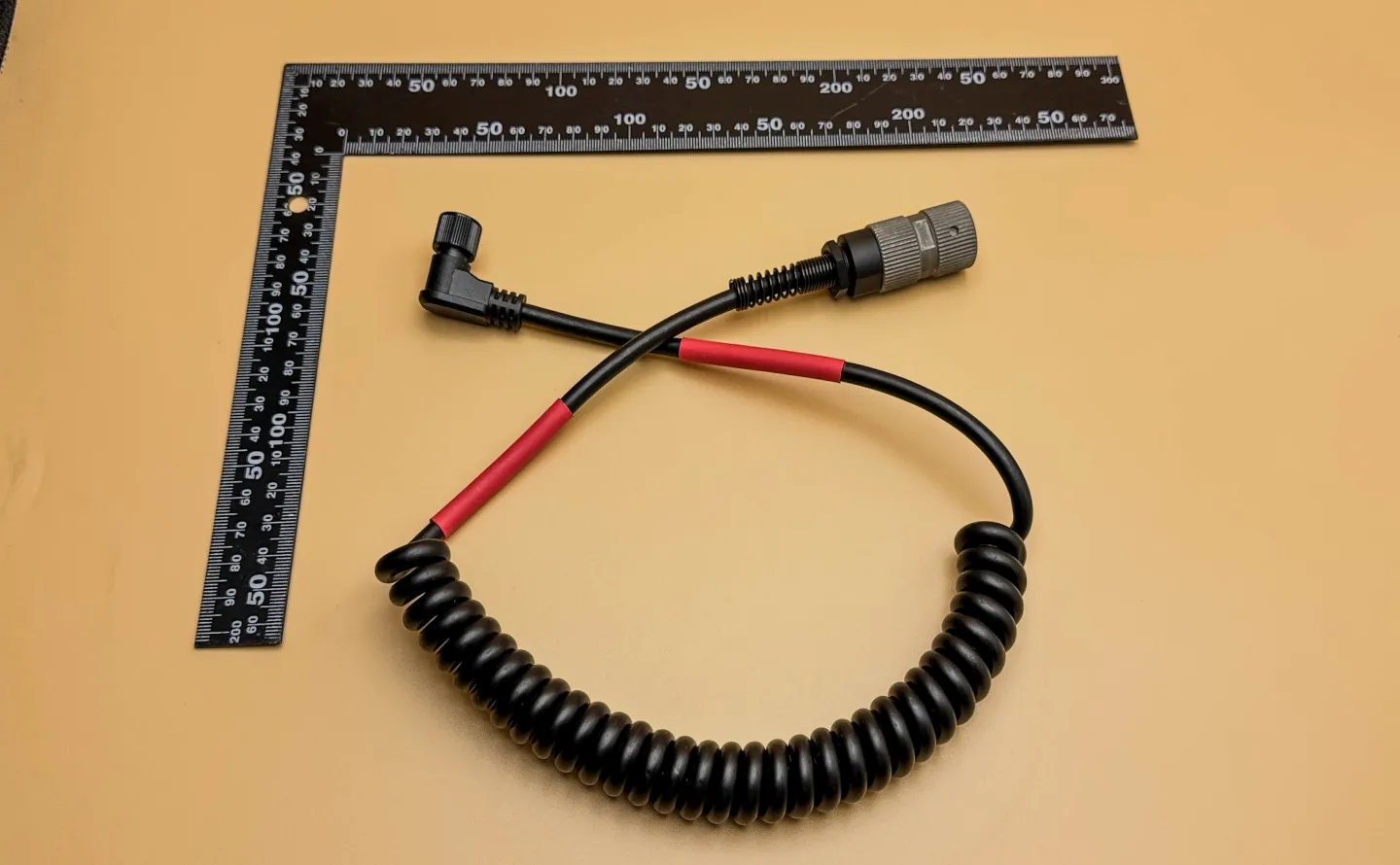
JST SHR-05V-S connector side used for compact tactical throat microphone wiring.
JST SHR-05V-S Connector Side
The connector side uses a JST SHR-05V-S connector from the SH connector series. The SH series is a compact 1.0 mm pitch crimp-style wire-to-board connector family, suitable for small signal wiring where compact layout, terminal crimping, and controlled contact insertion are important.
During production, the connector, crimp terminal, wire size, insulation outer diameter, terminal crimp condition, contact insertion, housing orientation, and final connector fit are reviewed according to customer drawings, JST connector specifications, and approved production documents.
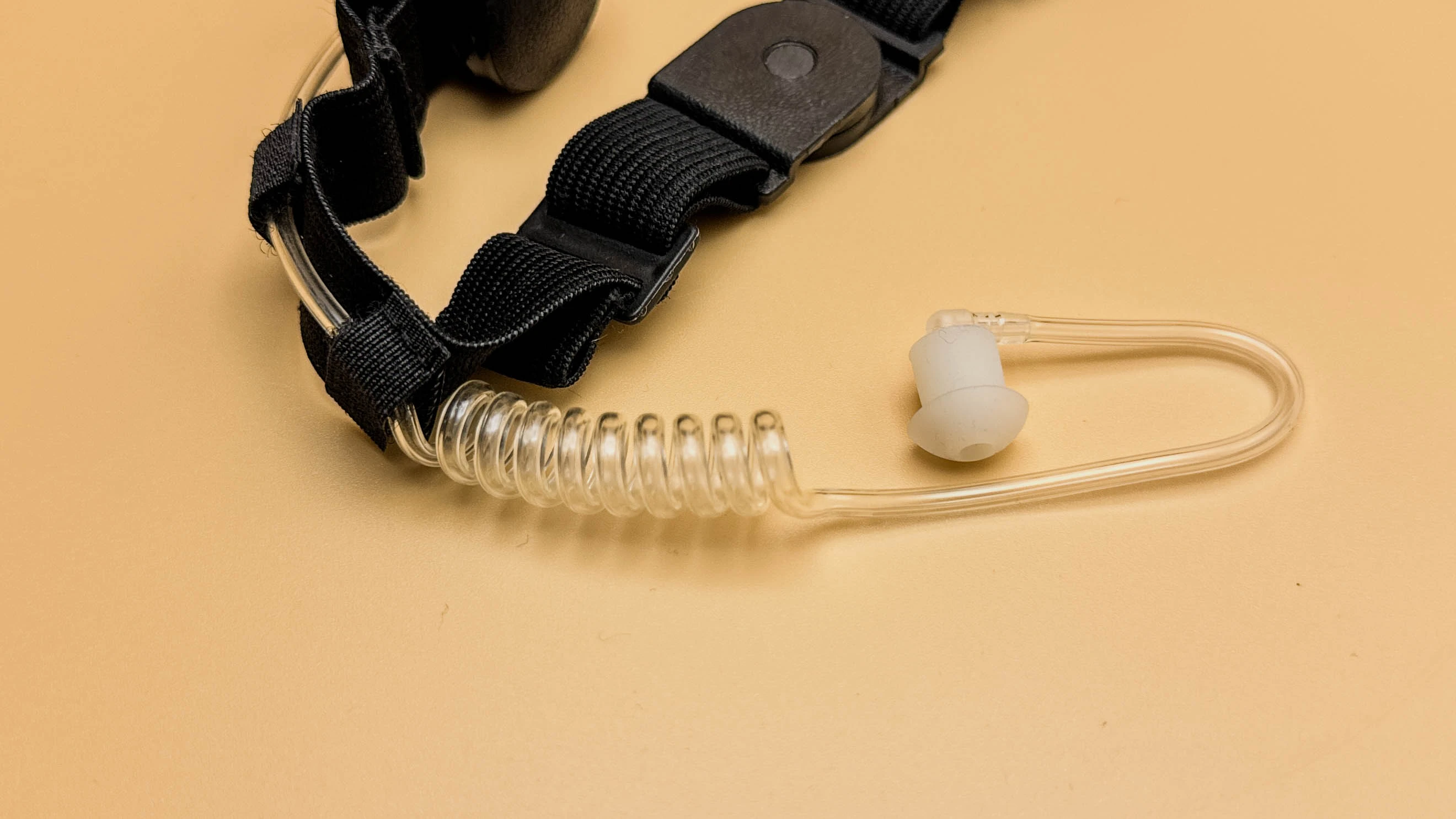
In-ear earphone component integrated with the tactical throat microphone communication assembly.
Earphone and Wearable Communication Components
The assembly includes an in-ear earphone for tactical communication use, together with an elastic band, neodymium magnet fastener, and engineering plastic parts. These components must be reviewed not only for electrical function, but also for wearable fit,handling, mechanical retention, and finished appearance.
For armored vehicle communication applications, component arrangement and assembly consistency are important because the product may be used in constrained environments where operator movement, equipment fit, and reliable communication all matter.
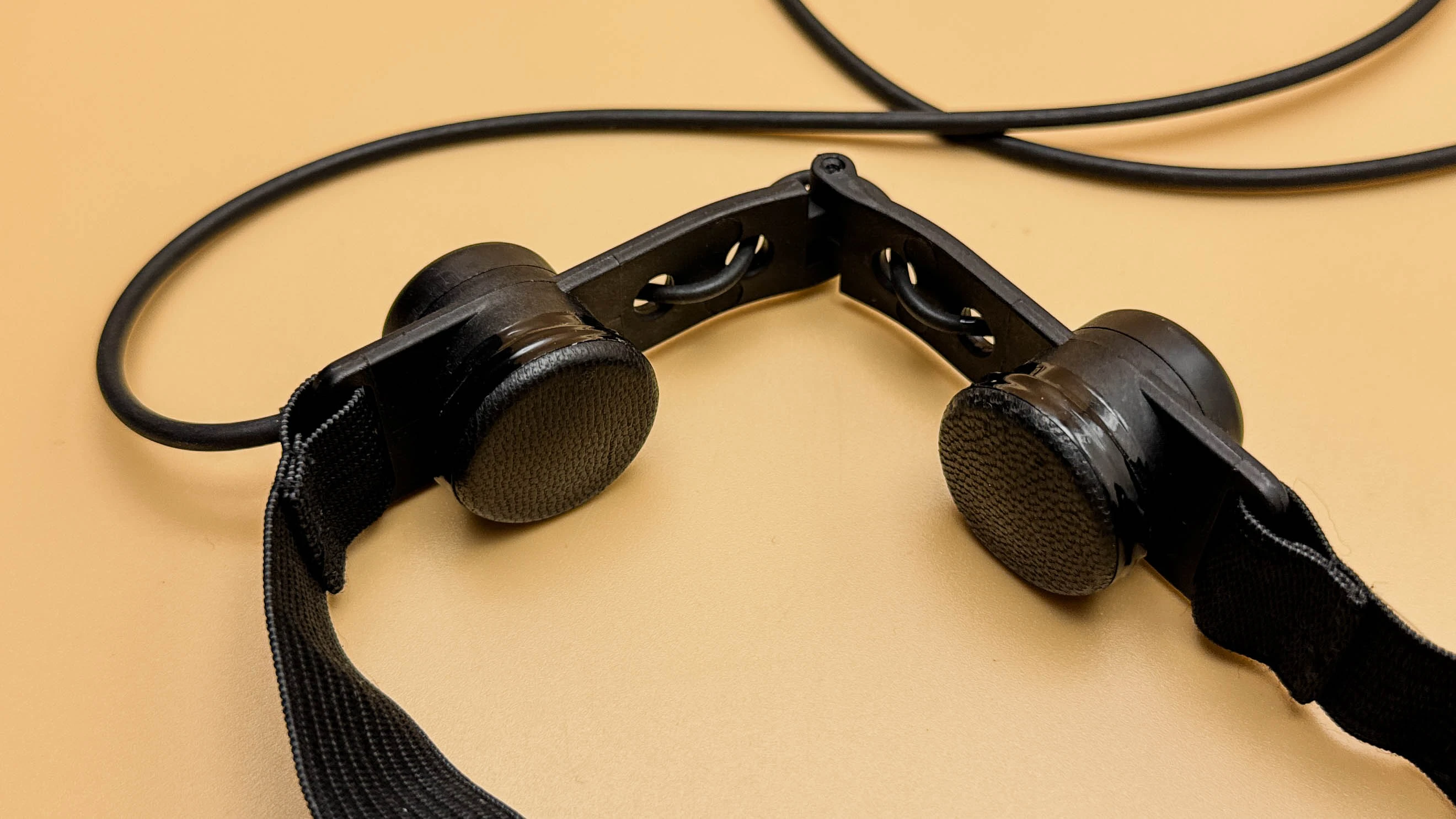
Custom throat microphone module with skin-contact protection for tactical communication use.
Throat Microphone Assembly
The throat microphone module is designed for direct contact with the user. The skin-contact area includes anti-allergy protection to support safer and more comfortable use during tactical communication operation.
Manufacturing control for this module includes microphone component condition, cable routing, wearable component fit, elastic band assembly, magnetic fastening position, engineering plastic part fit, and final communication-related electrical verification.
Custom reinforced coaxial cable with enhanced isolation, enhanced shielding, tensile reinforcement, and UV resistance.
Custom Coaxial Cable for Noise-Controlled Audio Signal
The cable is a specially customized coaxial cable designed for tactical audio signal routing. It uses enhanced isolation and enhanced shielding to help reduce noise and interference risk in armored vehicle communication environments.
The cable is also reinforced for tensile strength and UV resistance, helping improve durability during handling, routing, field use, and storage. During production, cable cutting length, insulation stripping condition, conductor preparation, shield handling, terminal crimping, routing, and final continuity are reviewed before the finished throat microphone assembly is released.
OEM Manufacturing Process Flow
IPC-based workmanship thinking is closely related to the three practical quality principles: Function, Fit, and Form. For a tactical military throat microphone assembly, this means the product must perform electrically, fit the connector and wearable components correctly, and maintain acceptable workmanship appearance after assembly.
The following OEM process flow shows how Starway Technology controls key manufacturing steps for this tactical military throat microphone assembly, from wire cutting and terminal crimping to connector assembly, throat microphone assembly, electrical testing, individual packaging, and shipment.
Wire Cutting
Custom coaxial cables are cut according to customer drawings, connector requirements, microphone assembly dimensions, and production specifications.
IPC/WHMA-A-620 Chapter 3Insulation Stripping
Cable insulation is stripped while checking exposed length, conductor condition, shield condition, and possible preparation damage.
IPC/WHMA-A-620 Chapter 3Terminal Crimping
Terminals are crimped with attention to conductor placement, insulation support, crimp appearance, and connector compatibility.
IPC/WHMA-A-620 Chapter 3Connector Housing Assembly
Crimped terminals are inserted into the JST SHR-05V-S connector housing according to the approved wiring assignment and orientation.
IPC/WHMA-A-620 Chapter 3Throat Microphone Assembly
The throat microphone, elastic band, in-ear earphone, neodymium magnet fastener, and engineering plastic parts are assembled.
Wearable Assembly ControlContinuity and Contact Test
Continuity and contact testing are performed to verify wiring path, connector contact condition, and basic electrical connection.
Electrical VerificationInsulation Resistance Test
Insulation resistance testing is performed to verify circuit separation and insulation performance according to project requirements.
Final Electrical TestIndividual Packaging
Finished products are individually packaged to reduce collision, contamination, deformation, and handling damage.
Product ProtectionShipment
Completed products are released for shipment after final inspection, electrical verification, packaging check, and production record review.
Shipment ControlIncoming Material Inspection Before Production
Incoming material inspection confirms that the required connector housings, crimp terminals, custom coaxial cables, throat microphone components, earphones, elastic bands, magnetic fasteners, engineering plastic parts, and production documents are suitable before assembly begins.
- JST SHR-05V-S Connector
- Connector series, housing condition, circuit number, terminal compatibility, wire compatibility, contact insertion requirement, and customer-approved BOM are reviewed before assembly.
- Custom Reinforced Coaxial Cable
- Cable structure, insulation condition, conductor condition, shield condition, enhanced isolation, enhanced shielding, tensile reinforcement, UV resistance, and project-specific noise-control requirements are checked before processing.
- Throat Microphone Component
- Microphone condition, skin-contact protection, anti-allergy protection area, cable routing, and assembly compatibility are reviewed before final assembly.
- Earphone and Wearable Parts
- In-ear earphone, elastic band, neodymium magnet fastener, engineering plastic parts, fit condition, and appearance are reviewed before assembly.
- Testing and Inspection Requirements
- Continuity testing, contact verification, insulation resistance testing, visual inspection, and final inspection requirements are confirmed before production release.
- BOM, Drawing, and Revision Review
- Customer name, project name, product name, drawing number, revision level, BOM details, connector part number, cable requirement, component requirement, and production notes are reviewed before release.
Key Process Control Points During Manufacturing
For tactical throat microphone assemblies, process control must cover electrical reliability, wearable fit, signal noise control, connector retention, cable durability, and finished product protection. Each step affects whether the product can perform reliably in armored vehicle communication environments.
- Custom Coaxial Cable Preparation
- Cutting length, insulation stripping, conductor exposure, shield condition, reinforced jacket condition, UV-resistant cable surface, and preparation consistency are controlled before terminal crimping and connector assembly.
- Terminal Crimping
- Terminal crimp condition, conductor placement, insulation support, terminal retention, and connector compatibility are checked before housing insertion.
- Connector Housing Assembly
- Crimped terminals are inserted into the JST SHR-05V-S connector housing with attention to contact position, orientation, locking condition, and final fit.
- Wearable Component Assembly
- Throat microphone position, elastic band fit, earphone routing, magnet fastening, and engineering plastic part fit are reviewed for assembly consistency.
- Electrical Testing
- Continuity testing, contact verification, and insulation resistance testing are performed to confirm electrical function and circuit separation.
- Individual Packaging
- Finished products are packaged individually to reduce collision, deformation, contamination, and handling damage before shipment.
Common Manufacturing Risks for Tactical Throat Microphone Assemblies
Audio Signal Noise
Tactical communication products may be exposed to electrically noisy environments. Custom coaxial cable construction, enhanced isolation, and enhanced shielding help reduce interference risk.
Connector Assembly Error
Incorrect terminal crimping, poor contact insertion, or wrong connector orientation may affect communication function and final product fit.
Wearable Fit Variation
Throat microphone position, elastic band tension, earphone routing, and magnetic fastening must be controlled to support repeatablefit.
Cable Durability Risk
Tactical cable assemblies may face pulling, bending, sunlight exposure, and repeated handling. Tensile reinforcement and UV-resistant cable design help reduce durability risk.
IPC-Based Workmanship Approach
As an IPC Association member, Starway Technology applies IPC-based workmanship principles across custom wire harness and tactical communication assembly manufacturing, including wire cutting, insulation stripping, terminal crimping, connector housing assembly, electrical testing, packaging, and final inspection.
Relevant workmanship references may include IPC/WHMA-A-620 Chapter 3 for wire preparation, terminal crimping, connector assembly, and cable assembly workmanship. For this product, IPC Class 3 workmanship thinking is used as a high-reliability reference for function, fit, form, and final inspection awareness.
These references do not replace customer drawings, JST connector specifications, throat microphone component requirements, custom coaxial cable specifications, wearable product requirements, armored vehicle communication system requirements, or project-specific test criteria. Instead, they provide a workmanship framework that helps strengthen inspection awareness, production control, and technical communication between the customer and manufacturer.
Customer Value
Controlled tactical throat microphone assembly manufacturing helps customers reduce connector assembly risk, improve audio signal reliability, support wearable component fit, confirm skin-contact protection needs, improve cable durability, and protect finished products during shipment. This approach is especially valuable for armored vehicle communication systems, military audio equipment, defense electronics, and high-reliability tactical communication applications where function, fit, form, signal clarity, and durability must be carefully controlled.
Starway Technology Quality Summary
FAQ
What is the Tactical Military Throat Microphone for Armored Vehicles – IPC Class 3?
It is a custom tactical communication assembly designed for armored vehicle applications, combining a JST SHR-05V-S connector, custom throat microphone, reinforced coaxial cable, in-ear earphone, elastic band, neodymium magnet fastener, engineering plastic parts, and final electrical testing.
What connector is used in this throat microphone assembly?
One end uses a JST SHR-05V-S connector from the JST SH connector series. The connector side is processed with wire preparation, terminal crimping, connector housing assembly, and final contact verification according to project requirements.
Why does this product use custom reinforced coaxial cable?
The product carries audio communication signals and may operate in electrically noisy tactical environments. The custom coaxial cable supports enhanced isolation, enhanced shielding, tensile reinforcement, UV resistance, and reduced noise or interference risk.
What wearable parts are included in the throat microphone assembly?
The assembly includes a throat microphone with anti-allergy protection at the skin-contact area, elastic band, in-ear earphone, neodymium magnet fastener, and engineering plastic parts.
What manufacturing process controls are used for this product?
Process controls include wire cutting, insulation stripping, terminal crimping, connector housing assembly, throat microphone assembly, continuity testing, contact testing, insulation resistance testing, individual packaging, and shipment.
Why is individual packaging used?
Individual packaging helps reduce collision, deformation, contamination, and handling damage to the microphone, earphone, connector, cable, and wearable components during storage and shipment.
Does Starway use IPC/WHMA-A-620 for this type of tactical communication assembly?
Starway applies IPC/WHMA-A-620-based workmanship thinking as a reference for wire preparation, terminal crimping, connector assembly, inspection awareness, electrical verification, and final cable assembly control, together with customer drawings, connector specifications, product requirements, and project-specific test criteria.
What does IPC Class 3 mean for this article?
In this article, IPC Class 3 is used as a high-reliability workmanship reference for tactical and mission-related applications where product function, fit, form, electrical verification, and final inspection control are especially important.