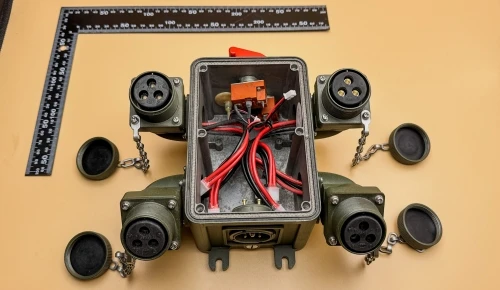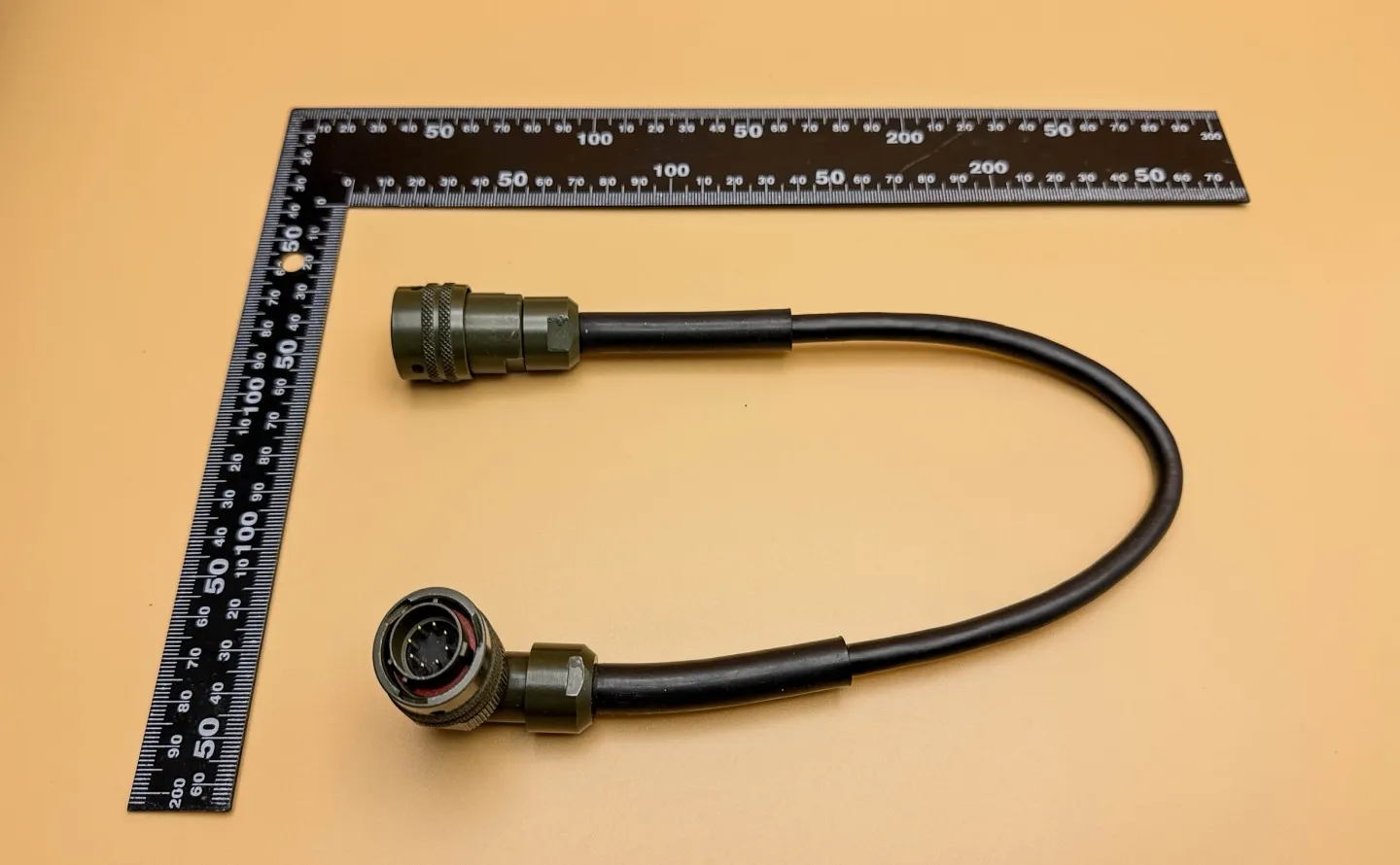
Ruggedized IP68 Hybrid Power & Signal Military Communication Cable Assembly
A ruggedized hybrid power and signal cable assembly exhibited by Starway Technology at ILA Berlin 2026, with emphasis on custom manufacturing, incoming material inspection, process control, and final inspection.
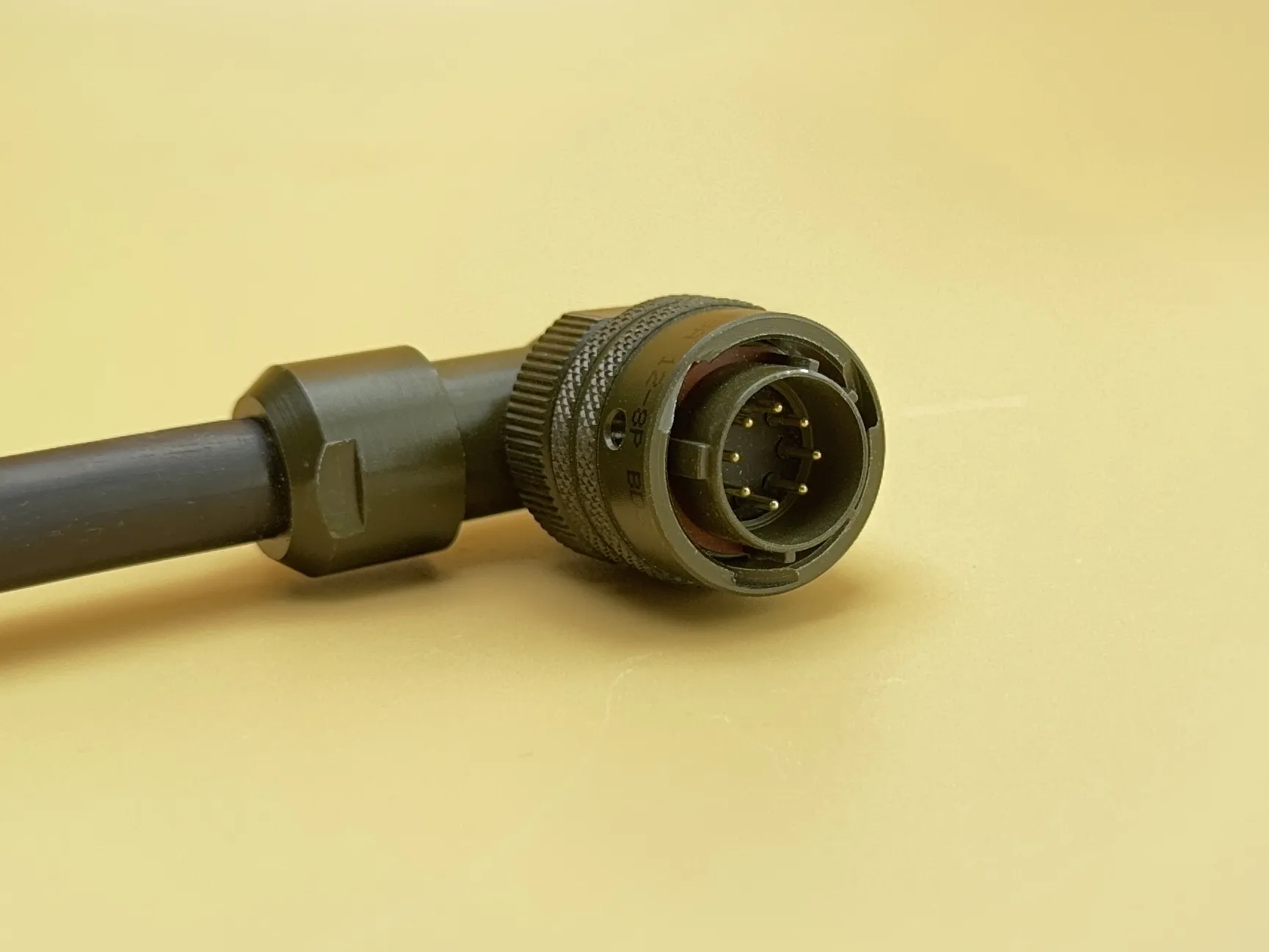
Ruggedized IP68 Hybrid Power & Signal Military Communication Cable Assembly is a custom cable assembly designed for demanding military communication and high-reliability interconnect applications. It integrates power transmission and signal connection requirements into a ruggedized cable assembly structure suitable for harsh operating environments.
For this type of custom wire harness and cable assembly, manufacturing quality depends not only on connector selection, cable routing, shielding, sealing, and strain relief design, but also on controlled incoming material inspection, wire preparation, solder cup termination where applicable, assembly process control, electrical testing, and final inspection before shipment.
Official ILA Berlin 2026 Product Listing
This product is also featured in the official ILA Berlin digital product guide at digital.ila-berlin.de as Ruggedized IP68 Hybrid Power & Signal Military Communication Cable Assembly . This external product listing helps connect Starway Technology's exhibited cable assembly with ILA Berlin 2026 aerospace and defense industry visibility.
Technical Summary
Starway Technology manufactures custom wire harness and cable assembly products for high-reliability applications, including ruggedized hybrid power and signal cable assemblies for military communication equipment. This ILA Berlin 2026 exhibited product highlights the importance of incoming material inspection, connector and cable compatibility review, wire preparation, solder cup termination, shielding and protection assembly, continuity testing, insulation resistance testing, and final visual inspection.
This manufacturing approach supports IPC/WHMA-A-620-based workmanship thinking by focusing on material verification, jacket stripping, braid fold-back, insulation stripping, conductor tinning, soldering workmanship, connector assembly, heat shrink positioning, electrical verification, packaging, and traceable inspection records. For defense, aerospace support equipment, tactical communication systems, industrial automation, and advanced communications applications, these process controls help improve repeatability and reduce preventable assembly variation.
Product Manufacturing Focus
Unlike standard cable products, ruggedized hybrid power and signal cable assemblies require careful control of both electrical and mechanical construction. The assembly must consider power conductor suitability, signal wire routing, shielding or noise-control requirements, connector orientation, environmental protection, strain relief, labeling, and inspection records.
Starway Technology Co., Ltd. supports this type of product through project-based manufacturing review, incoming material inspection, wire preparation checks, solder cup termination control, protective component assembly, electrical testing, and final inspection according to customer drawings, BOM details, connector specifications, and application requirements.
OEM Manufacturing Process Flow
In IPC-style workmanship thinking, assembly quality should support Form, Fit, and Function. For a ruggedized hybrid power and signal military communication cable assembly, this means the finished product must not only look acceptable, but also fit the connector system correctly and perform reliably in its intended application.
The following OEM process flow shows how Starway Technology controls key manufacturing steps for this ruggedized hybrid power and signal cable assembly, from wire preparation to final shipment.
Wire Cutting
Wires are cut according to customer drawings, BOM details, connector requirements, and production dimensions.
IPC/WHMA-A-620 Chapter 3Jacket Stripping
The outer cable jacket is stripped while controlling jacket edge condition, shield exposure, and preparation length.
IPC/WHMA-A-620 Chapter 3Metal Braid Fold-Back
The metallic braid is folded back or prepared according to shielding, grounding, and connector assembly requirements.
IPC/WHMA-A-620 Chapter 3Insulation Stripping
Insulation is stripped to expose the conductor while checking for strand damage, nicking, deformation, or contamination.
IPC/WHMA-A-620 Chapter 3Heat Shrink Pre-Loading
Heat shrink tubing is loaded before termination to ensure correct position, coverage, and later insulation protection.
IPC/WHMA-A-620 Chapter 3Conductor Tinning
Conductors are tinned where required to support solder cup termination and help control solder wetting consistency.
IPC/WHMA-A-620 Chapter 3Solder Cup Termination
The prepared wire conductor is soldered to the connector solder cup while controlling wetting, fill, insulation clearance, and workmanship.
IPC/WHMA-A-620 Chapter 4Continuity and Contact Test
Continuity and contact verification are performed to confirm wiring path, contact assignment, and basic electrical connection.
Electrical VerificationHeat Shrink Positioning
Heat shrink tubing is moved into final position and shrunk to protect the termination area and support insulation coverage.
IPC/WHMA-A-620 Chapter 4Connector Assembly
Connector components are assembled while checking orientation, locking condition, backshell fit, sealing area, and strain relief.
Assembly ControlInsulation Resistance Test
Insulation resistance testing is performed where required to verify separation between circuits, shielding, and conductive parts.
Final Electrical TestPackaging and Shipment
The completed assembly is packed with attention to connector protection, label readability, inspection records, and shipment condition.
Final Release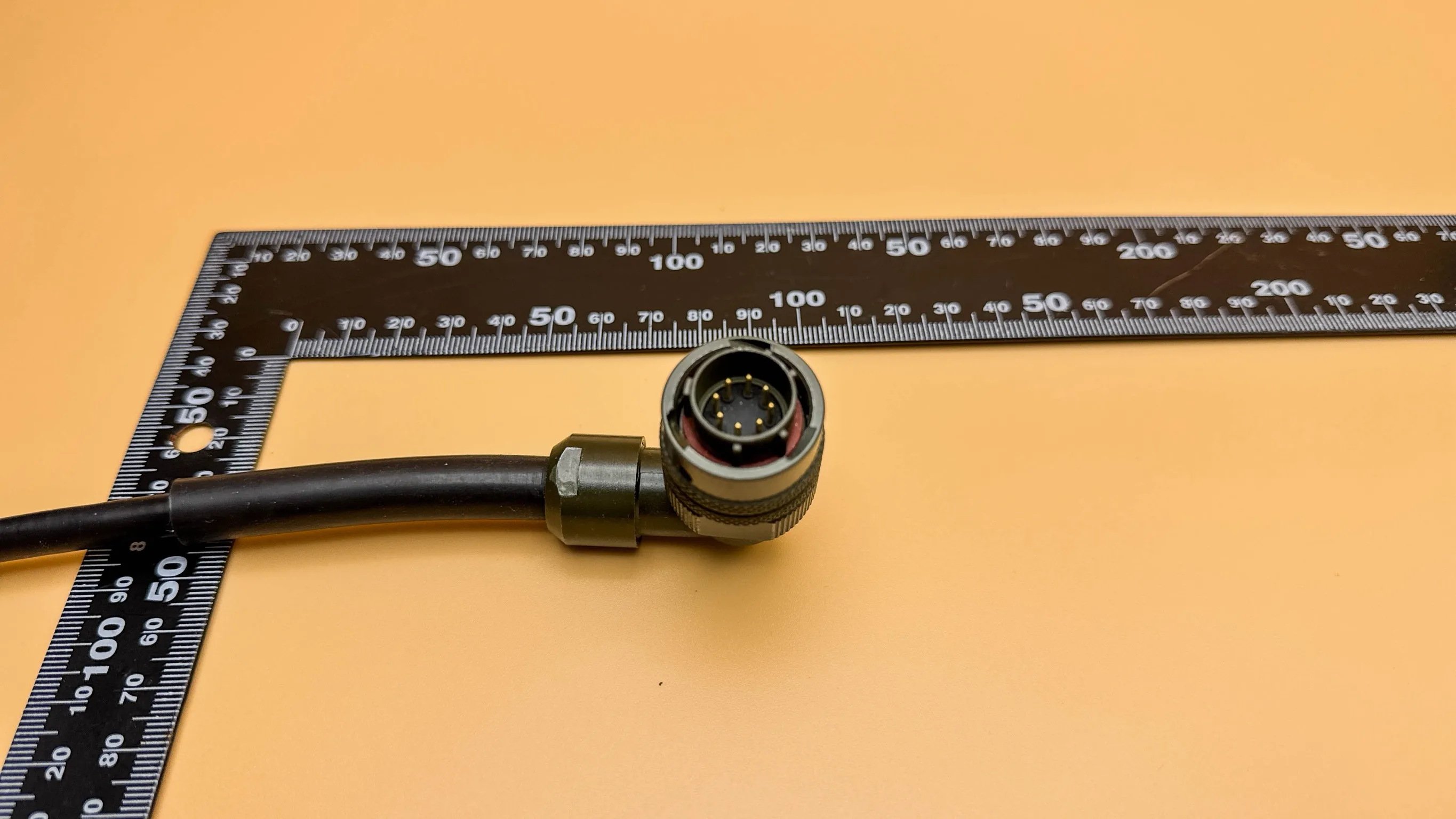
OEM manufacturing value: This process flow shows how Starway Technology controls the assembly from wire cutting and jacket stripping to solder cup termination, continuity testing, insulation resistance testing, packaging, and shipment. For custom cable assembly projects, a controlled manufacturing flow helps improve repeatability, reduce workmanship variation, and support future production based on the same drawings, BOM, and inspection criteria.
Hybrid Cable Assembly
Power and signal connection requirements are reviewed together to support stable routing, identification, and assembly consistency.
Ruggedized Construction
Connector assembly, sealing areas, strain relief, protective sleeving, and mechanical support are checked for harsh-environment suitability.
Traceable Inspection
Incoming inspection, in-process checks, and final inspection records can support repeat manufacturing and quality review.
Incoming Material Inspection Before Production
Incoming material inspection confirms that the required cables, connectors, contacts, terminals, sleeves, labels, protective components, and accessories are suitable before production begins.
- Cables and Wires
- Cable type, conductor size, jacket condition, insulation condition, shielding structure, wire color, marking, and project-specific requirements are checked against drawings and BOM details.
- Military Communication Connectors
- Connector part numbers, mating interface, pin layout, shell orientation, locking method, sealing interface, visible damage, and packaging condition are reviewed before assembly.
- Contacts, Terminals, and Pins
- Contact or terminal part numbers, plating condition, surface quality, oxidation, deformation, packaging damage, and conductor compatibility are checked before termination.
- Sealing and Protection Components
- Heat shrink tubing, braided sleeving, boots, grommets, strain relief parts, labels, markers, and protective materials are verified for specification and usability.
- BOM, Drawing, and Revision Review
- Customer name, project name, product name, drawing number, revision level, BOM details, connector pin assignment, wiring table, and production notes are reviewed before release.
- Lot and Supplier References
- Material lot references, supplier information, receiving records, and inspection notes can be maintained where required to support traceable production control.
Key Process Control Points During Manufacturing
The processing stage determines whether the assembly can maintain stable electrical performance and mechanical reliability. For a ruggedized hybrid cable assembly, process control should cover wire preparation, jacket stripping, braid fold-back, conductor tinning, solder cup termination, continuity testing, heat shrink positioning, connector assembly, insulation resistance testing, packaging, and final shipment.
- Wire Cutting and Preparation
- Cutting length, jacket stripping length, insulation strip length, conductor condition, wire identification, and preparation consistency are checked before soldering or connector loading.
- Jacket, Braid, and Insulation Processing
- Jacket stripping, metal braid fold-back, insulation stripping, heat shrink pre-loading, and conductor preparation are controlled to support fit, form, and later electrical function.
- Conductor Tinning and Solder Cup Termination
- Conductors are tinned where required, then soldered to connector solder cups while controlling solder wetting, fill, insulation clearance, and visible workmanship.
- Continuity and Contact Verification
- Continuity and contact checks are performed before heat shrink final positioning to confirm wiring path, contact assignment, and basic electrical connection.
- Heat Shrink and Connector Assembly
- Heat shrink tubing is moved into final position and shrunk. Connector components are then assembled with attention to orientation, backshell fit, sealing area, and strain relief.
- Insulation Resistance and Final Release
- Insulation resistance testing, final visual inspection, packaging condition, label readability, and traceable records are reviewed before shipment.
Final Inspection Before Shipment
Final inspection confirms that the completed cable assembly matches the customer drawing, BOM, wiring table, and project requirements before delivery.
- Visual and Workmanship Inspection
- Inspect connector assembly, cable jacket condition, heat shrink coverage, sleeve position, label position, strain relief, cleanliness, and visible workmanship condition.
- Continuity and Wiring Verification
- Electrical continuity, pin-to-pin wiring, circuit identification, and wiring table consistency can be checked to reduce miswiring and open-circuit risk.
- Short Circuit and Isolation Check
- Short-circuit and isolation checks can be performed where required to confirm that adjacent circuits, power lines, signal lines, and shield connections are properly separated.
- Mechanical and Dimensional Review
- Overall length, branch length where applicable, connector orientation, label location, bend direction, and customer-defined dimensional requirements are reviewed.
- IP68-Related Assembly Review
- For IP68-related requirements, sealing interfaces, heat shrink coverage, connector sealing areas, boot fit, and assembly cleanliness are reviewed according to customer specifications and connector manufacturer instructions.
- Final Documentation and Traceability
- Inspection records, test results, lot references, drawing revision, and production notes can be maintained to support repeat manufacturing and customer quality review.
Common Manufacturing Risks for Ruggedized Hybrid Cable Assemblies
Connector or Contact Mismatch
Similar connector part numbers, contact types, or pin layouts may cause mating, wiring, or assembly issues if not verified before production.
Shielding and Grounding Variation
Inconsistent shield treatment, braid handling, or grounding position may affect signal stability and noise-control performance.
Insufficient Strain Relief
Poor strain relief, loose sleeving, or incorrect heat shrink placement may reduce mechanical durability during handling, routing, or field installation.
Incomplete Final Testing
Without continuity, wiring, short-circuit, dimensional, insulation resistance, and visual checks, assembly errors may not be detected until system integration or field use.
IPC-Based Workmanship Approach
As an IPC Association member, Starway Technology applies IPC-based workmanship principles across custom wire harness and cable assembly manufacturing, including incoming material inspection, wire preparation, jacket stripping, conductor tinning, solder cup termination, connector assembly, heat shrink processing, electrical testing, and final inspection.
Relevant workmanship references may include IPC/WHMA-A-620 for cable and wire harness assemblies, IPC/WHMA-A-620 space and military application addendum references where specified by the customer, IPC-A-610 for electronic assembly acceptance criteria, and J-STD-001 for soldered electrical and electronic assemblies where applicable.
These references do not replace customer drawings, connector manufacturer specifications, IP rating requirements, test specifications, or military communication system requirements. Instead, they provide a workmanship framework that helps strengthen inspection awareness, production control, and technical communication between the customer and manufacturer.
Customer Value
Controlled manufacturing and inspection help customers reduce wrong-material risk, improve solder termination consistency, support stable power and signal connections, reduce assembly variation, and improve repeat manufacturing quality for ruggedized cable assembly projects. This approach is especially valuable for military communication equipment, aerospace support systems, defense electronics, industrial automation, and advanced communication systems where interconnect reliability is critical.
Starway Technology Quality Summary
FAQ
What is a ruggedized hybrid power and signal cable assembly?
A ruggedized hybrid power and signal cable assembly integrates power conductors and signal circuits into a protected cable assembly structure designed for demanding applications such as military communication equipment, defense electronics, and high-reliability systems.
Is this product listed in the official ILA Berlin digital product guide?
Yes. The Ruggedized IP68 Hybrid Power & Signal Military Communication Cable Assembly is also featured in the official ILA Berlin digital product guide, connecting this exhibited product with ILA Berlin 2026 aerospace and defense industry visibility.
What is the OEM manufacturing process for this ruggedized cable assembly?
The OEM manufacturing process includes wire cutting, jacket stripping, metal braid fold-back, insulation stripping, heat shrink pre-loading, conductor tinning, solder cup termination, continuity and contact testing, heat shrink positioning, connector assembly, insulation resistance testing, packaging, and shipment.
What incoming materials should be inspected before manufacturing?
Common incoming inspection items include cables, wires, connectors, contacts, terminals, heat shrink tubing, braided sleeving, boots, grommets, labels, protective components, BOM details, drawings, wiring tables, and material lot references.
What process controls are important during cable assembly manufacturing?
Important process controls include wire cutting, jacket stripping, braid fold-back, insulation stripping, conductor tinning, solder cup termination, continuity testing, heat shrink positioning, connector assembly, insulation resistance testing, packaging control, and in-process inspection records.
What final inspections are used for ruggedized cable assemblies?
Final inspection may include visual workmanship review, continuity testing, pin-to-pin wiring verification, short-circuit checks, insulation resistance testing, dimensional inspection, connector orientation review, label verification, sealing-related assembly review, and traceable inspection records.
Does Starway use IPC/WHMA-A-620 for military communication cable assembly?
Starway applies IPC/WHMA-A-620-based workmanship thinking as a reference for cable and wire harness assembly quality, together with customer drawings, BOM details, connector specifications, project requirements, and final inspection criteria.